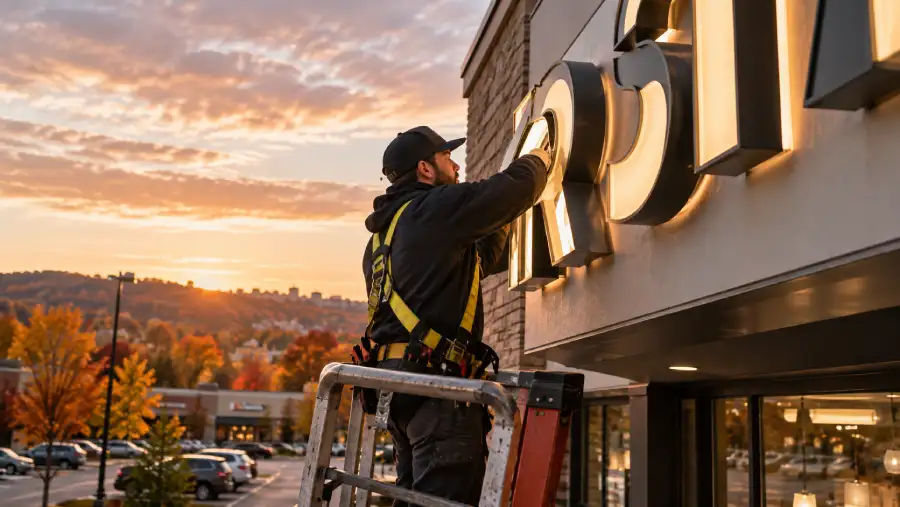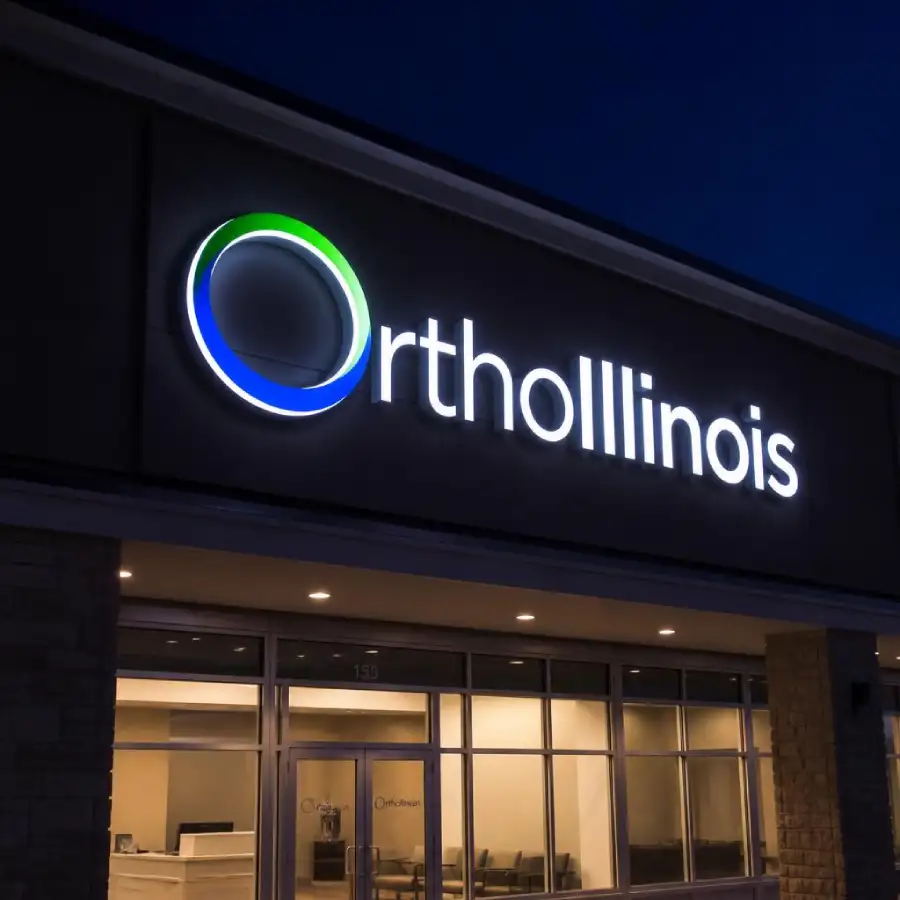
Office first impressions for clients are formed in about seven seconds, long before anyone shakes a hand or opens a laptop. By the time a visitor reaches your reception desk, they have already read the room: the lighting, the signage, the state of the seating, and whether the space looks like it belongs to a business that has its act together. That snap judgment shapes how they hear everything you say next. The good news is that your entrance and lobby are among the easiest parts of your business to control, and a few deliberate choices can turn a forgettable waiting area into a space that builds trust at first sight.
Why Office First Impressions for Clients Matter
A first impression is the immediate, largely subconscious judgment a visitor makes about your business in the first few seconds of contact. Research suggests people form a lasting opinion within roughly seven seconds of meeting someone or entering a space, and those early reads are hard to reverse. For a client walking into your office, that means the lobby is doing persuasive work before your team says a word. A clean, well-branded, welcoming entrance signals competence and attention to detail. A cluttered or dated one quietly raises doubt, no matter how strong your actual work is. Office first impressions for clients are not a nice-to-have; the lobby is a brand touchpoint, and it is speaking whether you planned its message or not. And it is not only new clients who are listening: returning clients, job candidates, partners, and vendors all form impressions on every visit, so the return on getting the entrance right compounds over time.
What Clients Notice First When They Walk In
Most visitors are not consciously auditing your space, but their eyes and instincts pick up a predictable set of cues. Getting these five right covers the majority of the impression:
- Cleanliness and order. A tidy, uncluttered entrance is the fastest signal of professionalism. Smudged glass, worn carpet, or a pile of old magazines undercuts everything else.
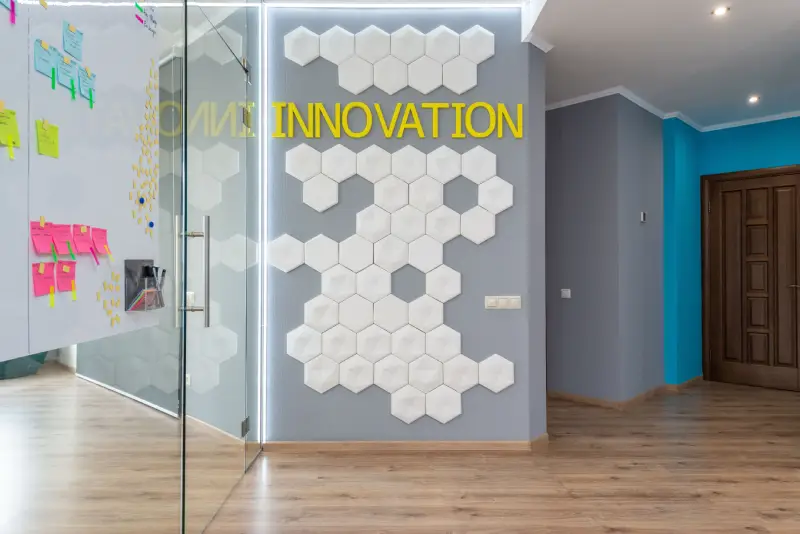
- Signage and branding. Clear, well-made signage tells visitors they are in the right place and that your brand is established. A blank wall or a paper sign taped to the door says the opposite.
- The greeting. Whether it is a person, a check-in screen, or clear directions, visitors want to know what to do within a few seconds of arriving.
- Lighting. Bright, warm, even lighting makes a space feel open and cared for. Dim or flickering light makes any room feel neglected.
- Comfort and seating. Clean, comfortable seating and a small touch like water or a charging point tell clients you thought about them.
None of these cues works in isolation. A visitor blends them into a single gut feeling within seconds, so the aim is not one showpiece feature but a consistent, cared-for space where nothing pulls the impression down.
The Best Office Lobby Design Ideas That Build Trust
The best office lobby design is less about expensive furniture and more about intention. You do not need a full renovation to make a space feel considered, and a handful of office lobby design ideas deliver most of the payoff.
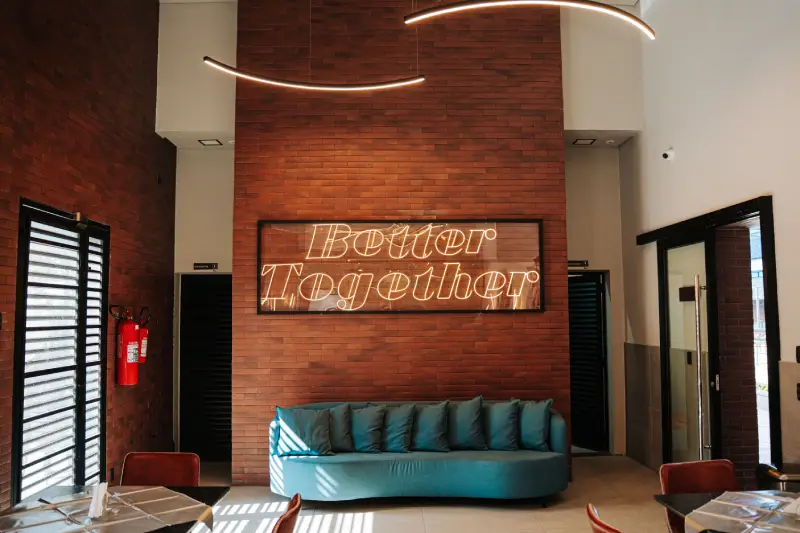
Start with branded signage, because it is the element visitors read first and remember longest. A dimensional logo sign or a branded feature wall behind the reception desk anchors the whole room and photographs well for social proof. From there, layer in warm, even lighting and a simple, consistent color palette drawn from your brand. Keep the layout open and the sightlines clear so the path from door to desk is obvious. Add greenery, quality seating, and a few local touches so the space feels human rather than sterile.
Small office lobby design follows the same logic on a smaller canvas. When square footage is tight, a single strong branded wall, good lighting, and a clutter-free desk do more than a room full of furniture ever could. The goal for any office lobby interior design, large or small, is a space that looks deliberate and on-brand the moment someone steps inside.
Do not overlook the details that register without being seen directly. Sound matters, so soften hard surfaces that echo. Air quality matters, so keep the space fresh and neutral. Most of all, consistency matters: the sign, the seating, the paint, and the artwork should all look like they belong to the same brand, because mismatched pieces read as an afterthought even when each one is nice on its own.
First Impressions by Office Type
Different offices carry different expectations, so the details that matter most shift by industry.
Corporate offices
Corporate office lobby design leans on polish and consistency. Visitors expect a clear brand presence, a staffed or clearly signed reception, and a layout that feels organized. A large-format logo wall, professional wayfinding, and cohesive materials signal scale and stability. For multi-tenant or multi-floor buildings, corporate office lobby interior design also has to solve navigation, so directories and directional signage carry real weight.
Dental and doctor offices
Dental office lobby design and doctor office lobby design share one overriding job: reducing anxiety. Patients often arrive nervous, so the space should feel calm, clean, and reassuring. Soft lighting, comfortable seating spaced for privacy, clear check-in signage, and spotless surfaces do more for a medical first impression than any design flourish. ADA-compliant signage and easy wayfinding are not optional here; they are part of making every patient feel looked after.
Small and professional-services offices
For a small firm, an accountant, attorney, or agency, the lobby is proof that the business is credible and detail-oriented. Small office lobby design ideas that punch above their weight include a clean branded reception sign, warm lighting, and a single well-chosen piece of art or greenery. Clients read a considered small space as a sign that you will be just as careful with their work.
The Fastest Way to Upgrade a Lobby Is Signage
If you only change one thing, change the signage. In our experience helping Pittsburgh businesses refresh their spaces, a well-designed sign package is the highest-impact, lowest-disruption upgrade a lobby can get. It reshapes the first impression in days, not months, and it costs a fraction of a renovation.
A few pieces do most of the work. A dimensional lobby sign or logo wall behind reception gives the space a clear brand anchor. Wall graphics and murals turn empty walls into an on-brand statement or a story about your company. Directories and wayfinding signage make a larger office easy to move through, and ADA-compliant signage keeps you covered while making the space welcoming to everyone. Together, these turn a plain entrance into one that looks intentional and established.
Frequently Asked Questions
What is the 7-second rule for first impressions?
- The 7-second rule holds that people form a lasting impression of a person or space within about seven seconds. For an office, it means a client’s opinion is largely set by the time they cross the lobby, which is why the entrance deserves as much attention as the meeting itself.
What makes an office lobby look professional?
- An office lobby looks professional when it is clean, well-lit, clearly branded, and easy to navigate. Quality signage, a tidy reception area, comfortable seating, and consistent brand colors are the elements visitors register as competence and care.
How can I improve a small office lobby on a budget?
- Focus on high-impact, low-cost changes: deep-clean and declutter the space, upgrade the lighting, and add one strong branded sign or feature wall. A single well-made reception sign does more for a small office lobby than a room full of new furniture.
What do clients notice first in an office?
- Clients notice cleanliness, signage, and the greeting first, followed by lighting and seating. These cues combine into an instant read on whether the business is organized and trustworthy, often before any conversation begins.
Why is signage so important for office first impressions?
- Signage is usually the first branded element a client sees, so it sets the tone immediately. Clear, professional signage tells visitors they are in the right place, reinforces your brand, and makes the whole space feel established and organized.
Your lobby is working on your clients whether you have planned it or not, so it is worth making that first impression a good one. When you are ready to upgrade the space, Spark Signs and Graphics designs, produces, and installs lobby signs, wall graphics, and wayfinding that make Pittsburgh offices look their best from the front door. Request a quote to get started.